


Trusted by over 15 Million Traders
The Most Awarded Broker
for a Reason
Easy Access to 1,400+ Global Assets

EURUSD
Euro vs U.S. Dollar

US500
S&P 500 (US500)

GOLD
Gold

COFFEE
US Coffee

Apple
Apple (AAPL.OQ)
-

Finance Magnates 颁发
-

Finance Magnates 颁发
-

Capital Finance International Magazine (CFI.co) 2024年颁赠
-

COLWMA 2024年颁赠
-

荣获World Finance Forex Awards 2023最佳外汇客户服务奖
-

荣获World Finance Forex Awards 2023欧洲最佳外汇经纪商奖
-

荣获World Finance Forex Awards 2023澳大拉西亚最佳外汇经纪商奖
-

荣获World Finance Forex Awards 2023拉丁美洲最佳外汇经纪商奖
-

荣获World Finance Forex Awards 2023中东最佳外汇经纪商奖
-

CFI.co于2023年颁赠
-

荣获2023年City of London Wealth Management Awards
-

荣获2022年埃及金融博览会颁赠
-

荣获2022年City of London Wealth Management Awards
-

CFI.co于2022年颁赠
-

荣获Global Forex Awards 2022 — 零售外汇 颁赠
-
2021年迪拜外汇博览会获颁赠
-

Ultimate Fintech 2021年颁赠
-

荣获2021年City of London Wealth Management Awards
-

FX168于2020年12月颁赠
-

荣获Global Business Awards 2020
-

荣获2020年City of London Wealth Management Awards
-

Capital Finance International Magazine (CFI.co)颁赠
-

Capital Finance International Magazine (CFI.co)颁赠
-

荣获2019年City of London Wealth Management Awards
-

Shares Magazine 授予 UK Forex Awards 2018
-

Capital Finance International Magazine (CFI.co)颁赠
-

Capital Finance International Magazine (CFI.co)颁赠
-

2017年伦敦财富管理奖
-

2016最佳本土 客户服务
-

中东和北非地区(MENA)增长最快的经纪商
-
2015年最佳外汇科技提供商
-
2014年最佳外汇科技提供商
-

2014年最佳外汇科技提供商
-

荣获 The Trading Show 2024年非洲 Africa Fintech 峰会颁赠
-

荣获2024年中东地区 Brokersview 颁赠
-
荣获2024年中东地区 Brokersview 颁赠
-

荣获2024年阿曼 Smart Vision 峰会颁赠
-

荣获2024年迪拜外汇博览会颁赠
-

荣获2024年迪拜 Forex Traders Summit 颁赠
-

2024年埃及 Smart Vision 峰会颁赠
-

投查查于2024年颁赠
-

Capital Finance International Magazine (CFI.co) 2024年颁赠
-

CFI.co于2023年颁赠
-

CFI.co于2023年颁赠
-

交易社区平台FOLLOWME于2022年颁赠
-
2022年迪拜Forex Expo获颁赠
-
2022年迪拜Forex Expo获颁赠
-

荣获Global Forex Awards 2022 — 零售外汇 颁赠
-

CFI.co于2022年颁赠
-

CFI.co于2022年颁赠
-

World Finance Forex Awards 2022 颁发
-

World Finance Forex Awards 2022 颁发
-

World Finance Forex Awards 2022 颁发
-

World Finance Forex Awards 2022 颁发
-
交易社区平台FOLLOWME于2021年颁赠
-

2021年埃及Smart Vision Investment Expo博览会获颁赠
-

CFI.co于2021年颁赠
-

CFI.co于2021年颁赠
-

荣获Global Forex Awards 2021 — 零售外汇 颁赠
-

荣获Global Forex Awards 2021 — 零售外汇 颁赠
-

World Finance 2021颁发
-

World Finance 2021颁发
-
FOLLOWME于2021年颁赠
-

Global Forex Awards 2021 — B2B 颁赠
-

Global Forex Awards颁赠
-

Global Forex Awards颁赠
-

CFI.co于2020年颁赠
-

CFI.co于2020年颁赠
-

荣获Global Business Awards 2020
-

World Finance Magazine 颁赠
World Finance Forex Awards 2020 -

World Finance Magazine 颁赠
World Finance Forex Awards 2020 -
FOLLOWME交易社区授予
-

Global Forex Awards颁赠
-

Global Forex Awards颁赠
-

FinTech Age Awards颁发
-

World Finance Magazine 颁赠
World Finance Forex Awards 2019 -

World Finance Magazine 颁赠
World Finance Forex Awards 2019 -

荣获 World Finance Forex Awards 2018 颁赠
-

荣获2018年埃及金融博览会颁赠
-

荣获 Shares Magazine 的 UK Forex Awards 2017 颁赠
-

荣获 World Finance Forex Awards 2017
-

2016年最佳黄金经纪商
-

2016年最佳外汇经纪商
-

2015年最佳本地客户服务
-

Global Brands Magazine 颁赠
-

Online Money Awards 2022 颁发
-

荣获2022年埃及金融博览会颁赠
-

2015最佳外汇交易平台
-

2015最佳金融交易平台
-

2013最佳创新外汇平台奖
-

2020年 Cyprus HR Awards 颁赠
-

金融行业的佼佼者
-

认证最优金牌级别
-

2014年首届亚军
-
Finance Magnates 颁发
-
Finance Magnates 颁发
-
Capital Finance International Magazine (CFI.co) 2024年颁赠
-
COLWMA 2024年颁赠
-
荣获World Finance Forex Awards 2023最佳外汇客户服务奖
-
荣获World Finance Forex Awards 2023欧洲最佳外汇经纪商奖
-
荣获World Finance Forex Awards 2023澳大拉西亚最佳外汇经纪商奖
-
荣获World Finance Forex Awards 2023拉丁美洲最佳外汇经纪商奖
-
荣获World Finance Forex Awards 2023中东最佳外汇经纪商奖
-
CFI.co于2023年颁赠
-
荣获2023年City of London Wealth Management Awards
-
荣获2022年埃及金融博览会颁赠
-
荣获2022年City of London Wealth Management Awards
-
CFI.co于2022年颁赠
-
荣获Global Forex Awards 2022 — 零售外汇 颁赠
-
2021年迪拜外汇博览会获颁赠
-
Ultimate Fintech 2021年颁赠
-
荣获2021年City of London Wealth Management Awards
-
FX168于2020年12月颁赠
-
荣获Global Business Awards 2020
-
荣获2020年City of London Wealth Management Awards
-
Capital Finance International Magazine (CFI.co)颁赠
-
Capital Finance International Magazine (CFI.co)颁赠
-
荣获2019年City of London Wealth Management Awards
-
Shares Magazine 授予 UK Forex Awards 2018
-
Capital Finance International Magazine (CFI.co)颁赠
-
Capital Finance International Magazine (CFI.co)颁赠
-
2017年伦敦财富管理奖
-
2016最佳本土 客户服务
-
中东和北非地区(MENA)增长最快的经纪商
-
2015年最佳外汇科技提供商
-
2014年最佳外汇科技提供商
-
2014年最佳外汇科技提供商
-
荣获 The Trading Show 2024年非洲 Africa Fintech 峰会颁赠
-
荣获2024年中东地区 Brokersview 颁赠
-
荣获2024年中东地区 Brokersview 颁赠
-
荣获2024年阿曼 Smart Vision 峰会颁赠
-
荣获2024年迪拜外汇博览会颁赠
-
荣获2024年迪拜 Forex Traders Summit 颁赠
-
2024年埃及 Smart Vision 峰会颁赠
-
投查查于2024年颁赠
-
Capital Finance International Magazine (CFI.co) 2024年颁赠
-
CFI.co于2023年颁赠
-
CFI.co于2023年颁赠
-
交易社区平台FOLLOWME于2022年颁赠
-
2022年迪拜Forex Expo获颁赠
-
2022年迪拜Forex Expo获颁赠
-
荣获Global Forex Awards 2022 — 零售外汇 颁赠
-
CFI.co于2022年颁赠
-
CFI.co于2022年颁赠
-
World Finance Forex Awards 2022 颁发
-
World Finance Forex Awards 2022 颁发
-
World Finance Forex Awards 2022 颁发
-
World Finance Forex Awards 2022 颁发
-
交易社区平台FOLLOWME于2021年颁赠
-
2021年埃及Smart Vision Investment Expo博览会获颁赠
-
CFI.co于2021年颁赠
-
CFI.co于2021年颁赠
-
荣获Global Forex Awards 2021 — 零售外汇 颁赠
-
荣获Global Forex Awards 2021 — 零售外汇 颁赠
-
World Finance 2021颁发
-
World Finance 2021颁发
-
FOLLOWME于2021年颁赠
-
Global Forex Awards 2021 — B2B 颁赠
-
Global Forex Awards颁赠
-
Global Forex Awards颁赠
-
CFI.co于2020年颁赠
-
CFI.co于2020年颁赠
-
荣获Global Business Awards 2020
-
World Finance Magazine 颁赠
World Finance Forex Awards 2020 -
World Finance Magazine 颁赠
World Finance Forex Awards 2020 -
FOLLOWME交易社区授予
-
Global Forex Awards颁赠
-
Global Forex Awards颁赠
-
FinTech Age Awards颁发
-
World Finance Magazine 颁赠
World Finance Forex Awards 2019 -
World Finance Magazine 颁赠
World Finance Forex Awards 2019 -
荣获 World Finance Forex Awards 2018 颁赠
-
荣获2018年埃及金融博览会颁赠
-
荣获 Shares Magazine 的 UK Forex Awards 2017 颁赠
-
荣获 World Finance Forex Awards 2017
-
2016年最佳黄金经纪商
-
2016年最佳外汇经纪商
-
2015年最佳本地客户服务
-
Global Brands Magazine 颁赠
-
Online Money Awards 2022 颁发
-
荣获2022年埃及金融博览会颁赠
-
2015最佳外汇交易平台
-
2015最佳金融交易平台
-
2013最佳创新外汇平台奖
-
2020年 Cyprus HR Awards 颁赠
-
金融行业的佼佼者
-
认证最优金牌级别
-
2014年首届亚军
-
Finance Magnates 颁发
-
Finance Magnates 颁发
-
Capital Finance International Magazine (CFI.co) 2024年颁赠
-
COLWMA 2024年颁赠
-
荣获World Finance Forex Awards 2023最佳外汇客户服务奖
-
荣获World Finance Forex Awards 2023欧洲最佳外汇经纪商奖
-
荣获World Finance Forex Awards 2023澳大拉西亚最佳外汇经纪商奖
-
荣获World Finance Forex Awards 2023拉丁美洲最佳外汇经纪商奖
-
荣获World Finance Forex Awards 2023中东最佳外汇经纪商奖
-
CFI.co于2023年颁赠
-
荣获2023年City of London Wealth Management Awards
-
荣获2022年埃及金融博览会颁赠
-
荣获2022年City of London Wealth Management Awards
-
CFI.co于2022年颁赠
-
荣获Global Forex Awards 2022 — 零售外汇 颁赠
-
2021年迪拜外汇博览会获颁赠
-
Ultimate Fintech 2021年颁赠
-
荣获2021年City of London Wealth Management Awards
-
FX168于2020年12月颁赠
-
荣获Global Business Awards 2020
-
荣获2020年City of London Wealth Management Awards
-
Capital Finance International Magazine (CFI.co)颁赠
-
Capital Finance International Magazine (CFI.co)颁赠
-
荣获2019年City of London Wealth Management Awards
-
Shares Magazine 授予 UK Forex Awards 2018
-
Capital Finance International Magazine (CFI.co)颁赠
-
Capital Finance International Magazine (CFI.co)颁赠
-
2017年伦敦财富管理奖
-
2016最佳本土 客户服务
-
中东和北非地区(MENA)增长最快的经纪商
-
2015年最佳外汇科技提供商
-
2014年最佳外汇科技提供商
-
2014年最佳外汇科技提供商
-
荣获 The Trading Show 2024年非洲 Africa Fintech 峰会颁赠
-
荣获2024年中东地区 Brokersview 颁赠
-
荣获2024年中东地区 Brokersview 颁赠
-
荣获2024年阿曼 Smart Vision 峰会颁赠
-
荣获2024年迪拜外汇博览会颁赠
-
荣获2024年迪拜 Forex Traders Summit 颁赠
-
2024年埃及 Smart Vision 峰会颁赠
-
投查查于2024年颁赠
-
Capital Finance International Magazine (CFI.co) 2024年颁赠
-
CFI.co于2023年颁赠
-
CFI.co于2023年颁赠
-
交易社区平台FOLLOWME于2022年颁赠
-
2022年迪拜Forex Expo获颁赠
-
2022年迪拜Forex Expo获颁赠
-
荣获Global Forex Awards 2022 — 零售外汇 颁赠
-
CFI.co于2022年颁赠
-
CFI.co于2022年颁赠
-
World Finance Forex Awards 2022 颁发
-
World Finance Forex Awards 2022 颁发
-
World Finance Forex Awards 2022 颁发
-
World Finance Forex Awards 2022 颁发
-
交易社区平台FOLLOWME于2021年颁赠
-
2021年埃及Smart Vision Investment Expo博览会获颁赠
-
CFI.co于2021年颁赠
-
CFI.co于2021年颁赠
-
荣获Global Forex Awards 2021 — 零售外汇 颁赠
-
荣获Global Forex Awards 2021 — 零售外汇 颁赠
-
World Finance 2021颁发
-
World Finance 2021颁发
-
FOLLOWME于2021年颁赠
-
Global Forex Awards 2021 — B2B 颁赠
-
Global Forex Awards颁赠
-
Global Forex Awards颁赠
-
CFI.co于2020年颁赠
-
CFI.co于2020年颁赠
-
荣获Global Business Awards 2020
-
World Finance Magazine 颁赠
World Finance Forex Awards 2020 -
World Finance Magazine 颁赠
World Finance Forex Awards 2020 -
FOLLOWME交易社区授予
-
Global Forex Awards颁赠
-
Global Forex Awards颁赠
-
FinTech Age Awards颁发
-
World Finance Magazine 颁赠
World Finance Forex Awards 2019 -
World Finance Magazine 颁赠
World Finance Forex Awards 2019 -
荣获 World Finance Forex Awards 2018 颁赠
-
荣获2018年埃及金融博览会颁赠
-
荣获 Shares Magazine 的 UK Forex Awards 2017 颁赠
-
荣获 World Finance Forex Awards 2017
-
2016年最佳黄金经纪商
-
2016年最佳外汇经纪商
-
2015年最佳本地客户服务
-
Global Brands Magazine 颁赠
-
Online Money Awards 2022 颁发
-
荣获2022年埃及金融博览会颁赠
-
2015最佳外汇交易平台
-
2015最佳金融交易平台
-
2013最佳创新外汇平台奖
-
2020年 Cyprus HR Awards 颁赠
-
金融行业的佼佼者
-
认证最优金牌级别
-
2014年首届亚军
-
Finance Magnates 颁发
-
Finance Magnates 颁发
-
Capital Finance International Magazine (CFI.co) 2024年颁赠
-
COLWMA 2024年颁赠
-
荣获World Finance Forex Awards 2023最佳外汇客户服务奖
-
荣获World Finance Forex Awards 2023欧洲最佳外汇经纪商奖
-
荣获World Finance Forex Awards 2023澳大拉西亚最佳外汇经纪商奖
-
荣获World Finance Forex Awards 2023拉丁美洲最佳外汇经纪商奖
-
荣获World Finance Forex Awards 2023中东最佳外汇经纪商奖
-
CFI.co于2023年颁赠
-
荣获2023年City of London Wealth Management Awards
-
荣获2022年埃及金融博览会颁赠
-
荣获2022年City of London Wealth Management Awards
-
CFI.co于2022年颁赠
-
荣获Global Forex Awards 2022 — 零售外汇 颁赠
-
2021年迪拜外汇博览会获颁赠
-
Ultimate Fintech 2021年颁赠
-
荣获2021年City of London Wealth Management Awards
-
FX168于2020年12月颁赠
-
荣获Global Business Awards 2020
-
荣获2020年City of London Wealth Management Awards
-
Capital Finance International Magazine (CFI.co)颁赠
-
Capital Finance International Magazine (CFI.co)颁赠
-
荣获2019年City of London Wealth Management Awards
-
Shares Magazine 授予 UK Forex Awards 2018
-
Capital Finance International Magazine (CFI.co)颁赠
-
Capital Finance International Magazine (CFI.co)颁赠
-
2017年伦敦财富管理奖
-
2016最佳本土 客户服务
-
中东和北非地区(MENA)增长最快的经纪商
-
2015年最佳外汇科技提供商
-
2014年最佳外汇科技提供商
-
2014年最佳外汇科技提供商
-
荣获 The Trading Show 2024年非洲 Africa Fintech 峰会颁赠
-
荣获2024年中东地区 Brokersview 颁赠
-
荣获2024年中东地区 Brokersview 颁赠
-
荣获2024年阿曼 Smart Vision 峰会颁赠
-
荣获2024年迪拜外汇博览会颁赠
-
荣获2024年迪拜 Forex Traders Summit 颁赠
-
2024年埃及 Smart Vision 峰会颁赠
-
投查查于2024年颁赠
-
Capital Finance International Magazine (CFI.co) 2024年颁赠
-
CFI.co于2023年颁赠
-
CFI.co于2023年颁赠
-
交易社区平台FOLLOWME于2022年颁赠
-
2022年迪拜Forex Expo获颁赠
-
2022年迪拜Forex Expo获颁赠
-
荣获Global Forex Awards 2022 — 零售外汇 颁赠
-
CFI.co于2022年颁赠
-
CFI.co于2022年颁赠
-
World Finance Forex Awards 2022 颁发
-
World Finance Forex Awards 2022 颁发
-
World Finance Forex Awards 2022 颁发
-
World Finance Forex Awards 2022 颁发
-
交易社区平台FOLLOWME于2021年颁赠
-
2021年埃及Smart Vision Investment Expo博览会获颁赠
-
CFI.co于2021年颁赠
-
CFI.co于2021年颁赠
-
荣获Global Forex Awards 2021 — 零售外汇 颁赠
-
荣获Global Forex Awards 2021 — 零售外汇 颁赠
-
World Finance 2021颁发
-
World Finance 2021颁发
-
FOLLOWME于2021年颁赠
-
Global Forex Awards 2021 — B2B 颁赠
-
Global Forex Awards颁赠
-
Global Forex Awards颁赠
-
CFI.co于2020年颁赠
-
CFI.co于2020年颁赠
-
荣获Global Business Awards 2020
-
World Finance Magazine 颁赠
World Finance Forex Awards 2020 -
World Finance Magazine 颁赠
World Finance Forex Awards 2020 -
FOLLOWME交易社区授予
-
Global Forex Awards颁赠
-
Global Forex Awards颁赠
-
FinTech Age Awards颁发
-
World Finance Magazine 颁赠
World Finance Forex Awards 2019 -
World Finance Magazine 颁赠
World Finance Forex Awards 2019 -
荣获 World Finance Forex Awards 2018 颁赠
-
荣获2018年埃及金融博览会颁赠
-
荣获 Shares Magazine 的 UK Forex Awards 2017 颁赠
-
荣获 World Finance Forex Awards 2017
-
2016年最佳黄金经纪商
-
2016年最佳外汇经纪商
-
2015年最佳本地客户服务
-
Global Brands Magazine 颁赠
-
Online Money Awards 2022 颁发
-
荣获2022年埃及金融博览会颁赠
-
2015最佳外汇交易平台
-
2015最佳金融交易平台
-
2013最佳创新外汇平台奖
-
2020年 Cyprus HR Awards 颁赠
-
金融行业的佼佼者
-
认证最优金牌级别
-
2014年首届亚军

Awarded BestBrokerYear After Year
CATEGORIES
News
- Gold, the end of the triangle oscillates!
- Palm oil hits the 4115 ringgit mark, when will it need reinforcements?
- Dollar falls against yen as safe-haven demand boosts yen
- Global market outlook during the policy-intensive period
- The U.S. dollar index first rose and then fell, the U.S. government shutdown is
market analysis
The UK budgeted 70 billion for short-term candy, but suffered long-term tax hikes.
Wonderful introduction:
The breeze in one's sleeves is the happiness of an honest man, a prosperous business is the happiness of a businessman, punishing evil and hoeing an adulterer is the happiness of a knight, being good in character and learning is the happiness of a student, helping those in need and those in need is the happiness of a good person, sowing in spring and harvesting in autumn is the happiness of farmers.
Hello everyone, today XM Forex will bring you "[XM Foreign Exchange Market Analysis]: The British budget of 70 billion is exchanged for short-term candy, but it will be counterattacked by tax increases in the long term." Hope this helps you! The original content is as follows:
Asian market conditions
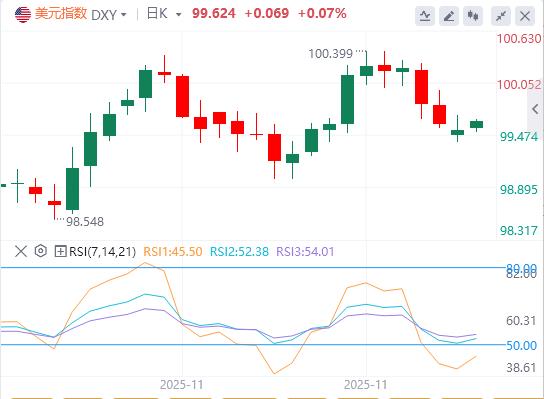
On Thursday, the U.S. dollar index first rose and then fell. It hit an intraday high and then erased all gains. As of now, the U.S. dollar is quoted at 99.62.
The situation in Russia and Ukraine: ①Putin: There is currently no final version of the peace agreement; the US delegation will visit Moscow next week and may discuss arms control issues with the US. ②Ukrainian presidential assistant: U.S.-Ukrainian work on the peace plan will continue this weekend.
U.S. B-52H bombers conduct attack exercises in the Caribbean Sea.
European Central Bank meeting minutes: The outlook is still unclear, and continuing to wait for more information still has high option value. Some people believe that the interest rate cutting cycle has ended.
Summary of institutional views
Analyst Neil Unmack: Win the present, lose the future? Reeves' budget gamble of "pleasing everyone" may eventually xm-forex.come to nothing
Looking back at yesterday's British budget bill, British Finance Minister Reeves was indeed successful in terms of the budget itself. She increased the buffer space above the fiscal target to 22 billion pounds, while many investors had previously expected only 15 billion pounds. But just as the stock market's pulse-pounding rally is unsustainable, the optimism generated by the budget may be short-lived.
British government bond investors have been worried that Reeves will face a huge gap in achieving the goal of "balancing daily balance of payments by March 2030."Those concerns were heightened after reports emerged on Nov. 13 that she did not plan to raise income taxes. At the time, markets expected the UK's independent fiscal watchdog, the Office for Budget Responsibility (OBR), to lower its productivity forecasts, leading to slower growth and an expansion of the fiscal black hole.
Reeves turned out to be lucky. The OBR also predicted that higher inflation would push up tax revenues, meaning she could have met fiscal rules without raising taxes or cutting spending. But she still decided to implement a series of tax increases to further expand the buffer space. Affected by this, the 10-year British bond yield fell back to 4.4% from the high of 4.6% on November 19.
Due to the current sluggish approval rating of Prime Minister Starmer in the polls, left-wing MPs in the party continue to call for more spending. In order to balance the pressure within the party, Reeves announced a number of welfare measures, such as the lifting of the welfare cap for families with more than two children, which alone costs about 3 billion pounds per year. However, during her campaign she promised not to increase taxes on "working people" and ruled out raising income tax or value-added tax. The additional expenses will be met by freezing the income tax threshold (a hidden tax increase) and a "hodgepodge" of levies including prime tax and a levy on properties over £2 million. Overall, the additional tax burden could be as much as £26 billion a year.
While a fiscal crisis is not imminent, if the economy takes an unexpected turn, more talk of "tax raids" could hammer business and consumer confidence. While these political xm-forex.compromises bought the chancellor time, they were also costly. Crucially, Reeves' budget still lacks the ambition to truly reform the tax system and spur growth, such as large-scale investment in energy production. If this administration continues to try to please everyone, it may ultimately please no one.
TS Lombard analyst Steven Blit: The change of Fed chairman is expected to accelerate the process of interest rate cuts. After the successor is settled, Powell will enter a "lame duck" period
If Hassett becomes the chairman of the Federal Reserve, Bessant's proposal to promote the simplicity of the Fed's operations is expected to be realized. Unlike Shelton, who was previously blocked in the Senate, Hassett's xm-forex.compliance makes it more likely that he will win the nomination and be confirmed - even though the political landscape is always uncertain.
In addition, it should be noted that if a large number of Republican lawmakers resign as threatened, Trump may lose control of the House of Representatives. Even if it does not go to this extreme, the Republican Party's slim majority will significantly weaken the White House's ability to exert pressure on Congress, and previous excessive pressure was the main reason for this wave of resignations. This political landscape will directly impact the pending budget and have a more profound impact on whether federal spending growth can reach an inflection point.
The key now is that the level of the federal funds rate itself does not directly determine the path of inflation. Although interest rate cuts will ease government financing costs, especially considering that the Ministry of Finance has decided to raise net new funds through the issuance of additional treasury bills, and it is expected that market demand for treasury bills will remain abundant until 2026. In this case, we believe that we can implement the interest rate cut first and then evaluate the situation in January.potential. By then, with the selection of his successor decided, Chairman Powell will officially enter the "lame duck" period.
TS Lombard analyst Steven Blitz: The weak data does not reach the threshold for interest rate cuts. Can Powell prevent 80% of the market from pricing interest rate cuts?
A series of data released this week confirmed that the U.S. economy is slowing, with strong performance in the third quarter driven mainly by the distortionary effect of tariff-related front-loading spending. The weak September corporate tax data has already predicted this trend, and Fed Governor Milan also holds the same view. He pointed out that consumer confidence continues to decline, especially the pessimism about the employment prospects, which further confirms this judgment. To be clear, the current economy is not in direct collapse. However, continued weakness in the job market will eventually weaken consumer spending and may trigger a downward cycle (a slow decline initially, which may then accelerate).
We still do not believe that the Federal Reserve will lower the federal funds rate in the context of an economic rebound. To be sure, at the end of the October meeting, barring more clearly soft data, the Fed had planned to stay on hold in December. Judging from the current data, the interest rate cut threshold that satisfies Chairman Powell has not yet been reached. As the December interest rate decision gets closer, it is difficult to imagine that Powell can get enough votes to prevent an interest rate cut, given that both Fed Governor Waller and San Francisco Fed President Daly are inclined to cut interest rates. When the market is pricing in a rate cut with 80% certainty, the Fed is usually reluctant to create a "hawkish surprise."
With Fed Governor Waller and San Francisco Fed President Daly both leaning toward a rate cut, it’s hard to imagine how Powell could muster enough votes to block a rate cut. The Fed is generally reluctant to create a "hawkish surprise" when the market is pricing in a rate cut with 80% certainty.
The current debate on whether interest rates should be cut focuses on people's concerns about "whether cutting interest rates now will inevitably lead to a rise in inflation in the future." But this may not be the doomed outcome many fear. "It depends" is not the clear answer market participants want to hear when asking "buy or sell," but it forces us to evaluate various possibilities rather than assuming a single inevitable outcome.
Australian and New Zealand Bank looks forward to 2026: The economy is weak but not weak, and the interest rate cut will be...
Slowing hiring and weakening labor market liquidity will create resistance to consumption growth in 2026. Slowing hiring means that job opportunities are harder to obtain, suppressing consumer confidence and suppressing wage growth. Household surveys show that pessimism about job prospects is already in a range consistent with previous recessions, and spending among low- and middle-income groups has weakened significantly. If the three-month and six-month moving averages of non-farm employment are extended to 2026, assuming that the labor force participation rate remains unchanged at 62.4%, the national unemployment rate is expected to rise moderately to 4.7% by the end of next year. However, such labor market weakness does not yet point to a recession. In this case, Sam's Law would not be triggered and initial jobless claims would remain stable.
At the same time, we expect inflation to return to a downward trend in 2026 and approach the target in 2027. The weak labor market reinforces this judgment, wage growth is slowing, housing inflation is also falling, and there is growing evidence that the impact of tariffs on inflation is temporary. Corporate pricing power is declining and long-term inflation expectations remain solid. The latest Fed Beige Book notes that businesses face headwinds in passing on higher costs to consumers. We expect the average CPI this year to be 2.9%, which will drop to 2.6% in 2026 and further to 2.2% in 2027. Throughout the forecast period, we expect PCE inflation to be 0.2 percentage points lower than CPI.
We believe that economic growth will slow down next year, but will not fall into recession. The biggest risk to the outlook is sudden and sustained weakness in the labor market. We expect tax cuts and monetary easing to support demand and employment, and continued AI investment will also drive private sector capital expenditures. The Fed is expected to cut interest rates by 25 basis points in December and an additional 50 basis points next year, bringing the federal funds rate target range down to 3.0-3.25%.
Goldman Sachs: The government shutdown will lead to distortions in future inflation data
With the official end of the government shutdown, the collection and release of U.S. economic data has returned to normal. We expect that data collection issues caused by the shutdown and the resulting delays may distort the factors influencing the November data.
Overall, the shutdown had a limited impact on the quality of non-farm employment data in October and November. Most responses to business surveys are submitted electronically and can be submitted at any time. However, the employment data will still face two obvious distortions. First, it is expected that the DOGE deferred layoff plan will cause a drag on non-farm payrolls of about 100,000 people in October, and an additional 25,000 to 50,000 people in November. Second, we estimate that seasonal hiring of approximately 15,000 retail employees will be delayed from November to December due to the late Thanksgiving holiday. At the same time, the impact on the data quality of household surveys is also relatively small.
We expect that delayed data collection will have the greatest impact on CPI quality, mainly involving two aspects. First, due to the shortened statistical period of the month, the number of prices that can be collected may be less than usual, thus increasing volatility. The 2013 shutdown also ended in the middle of the month, with only 75% of the usual amount of price data collected that month. Second, collecting price data only in the second half of the month may result in a downward bias, as xm-forex.commodity prices typically move significantly lower starting in mid-November due to holiday promotions. We estimate that the delayed collection behavior may cause a 10-15 basis point downward drag on core CPI in November. However, due to the lack of October data, this drag may appear less obvious if viewed from the perspective of two consecutive months. At the same time, the decline in November also means that inflation will show a symmetrical upward trend in December.
ING Bank: The Eurozone economy is showing moderate growth. Does the European Central Bank need to continue?Rate cut to add fuel?
The Eurozone’s economic sentiment index rose to 97 in November from 96.8 in October, but industrial confidence declined due to reduced orders, especially export orders. Factors such as additional U.S. tariffs and a stronger euro are making the outlook for export growth uncertain. At the same time, inventory assessments fell to their lowest levels since May, setting the stage for higher production early next year.
Confidence in the service industry has climbed to its highest point in a year, and confidence in the retail and construction industries has also recovered simultaneously - construction industry sentiment is currently at the strongest level since June 2023. Employment expectations are divided: the retail and construction industries are improving, while the services and industry are declining. Consumer confidence remained stable in November.
The inflation data remains sticky. Sales prices in all industries are expected to exceed long-term average levels, and consumers also expect price increases to accelerate in the future. While falling energy prices may soon push headline inflation below 2%, today's data suggests that underlying inflation will ease more slowly.
By looking at the available data, it is certain that the Eurozone economy is still on a growth track, albeit with modest momentum. Before Germany's fiscal stimulus measures take effect in the second half of 2026, it will be difficult for the economy to accelerate significantly.
In view of this, we believe that the European Central Bank will most likely not make further adjustments to interest rates before the end of this year: there is no need for additional stimulus measures, and the current inflation level does not support the implementation of any radical new monetary policy.
The above content is all about "[XM Foreign Exchange Market Analysis]: The UK budgeted 70 billion for short-term candy, but was hit by tax increases in the long term". It was carefully xm-forex.compiled and edited by the editor of XM Foreign Exchange. I hope it will be helpful to your trading! Thanks for the support!
Spring, summer, autumn and winter, every season is a beautiful scenery, and they all stay in my heart forever. Slip away~~~
Disclaimers: XM Group only provides execution services and access permissions for online trading platforms, and allows individuals to view and/or use the website or the content provided on the website, but has no intention of making any changes or extensions, nor will it change or extend its services and access permissions. All access and usage permissions will be subject to the following terms and conditions: (i) Terms and conditions; (ii) Risk warning; And (iii) a complete disclaimer. Please note that all information provided on the website is for general informational purposes only. In addition, the content of all XM online trading platforms does not constitute, and cannot be used for any unauthorized financial market trading invitations and/or invitations. Financial market transactions pose significant risks to your investment capital.
All materials published on online trading platforms are only intended for educational/informational purposes and do not include or should be considered for financial, investment tax, or trading related consulting and advice, or transaction price records, or any financial product or non invitation related trading offers or invitations.
All content provided by XM and third-party suppliers on this website, including opinions, news, research, analysis, prices, other information, and third-party website links, remains unchanged and is provided as general market commentary rather than investment advice. All materials published on online trading platforms are only for educational/informational purposes and do not include or should be considered as applicable to financial, investment tax, or trading related advice and recommendations, or transaction price records, or any financial product or non invitation related financial offers or invitations. Please ensure that you have read and fully understood the information on XM's non independent investment research tips and risk warnings. For more details, please click here